Overview
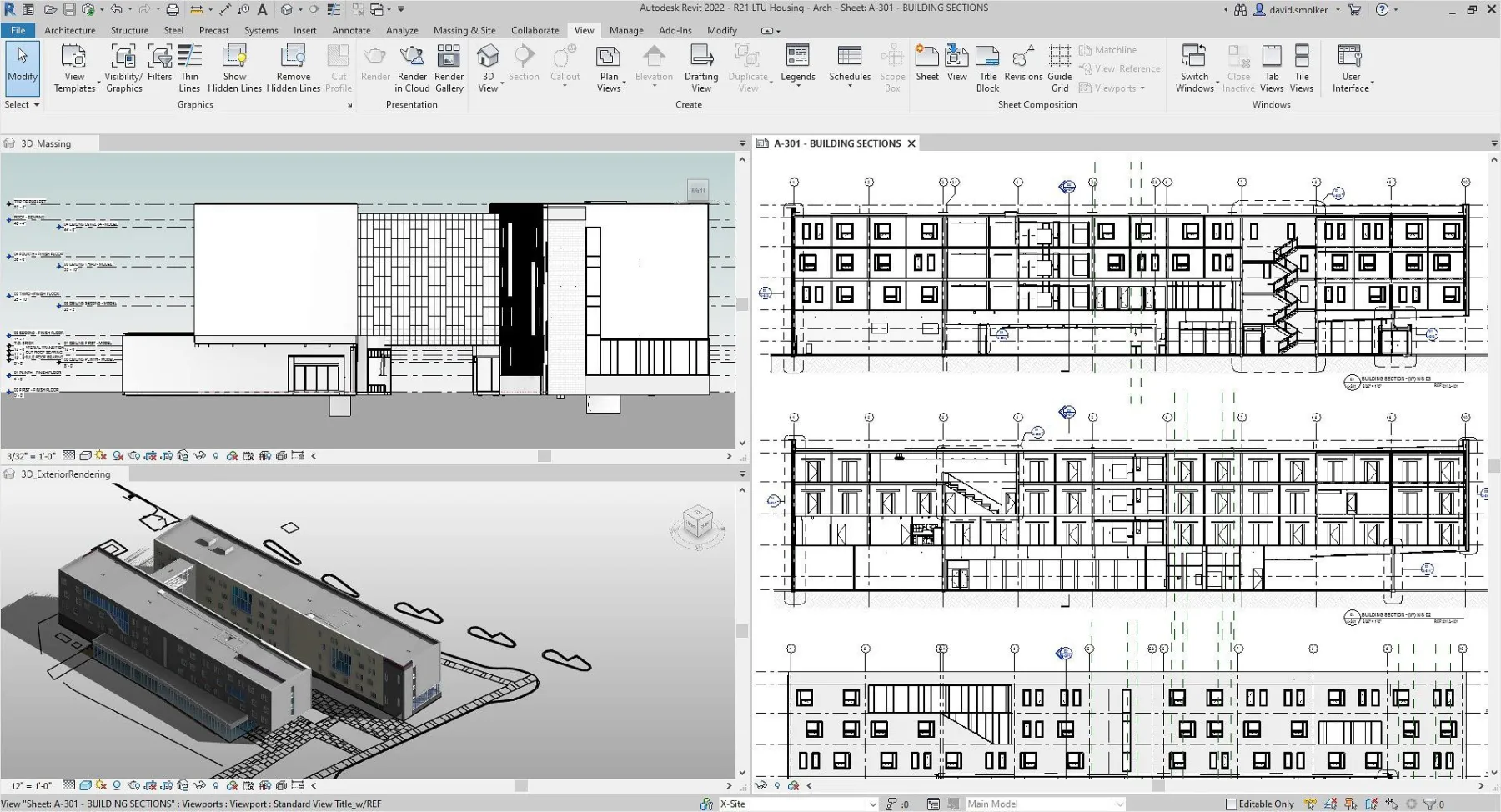
Revit 2027 is Autodesk's premier Building Information Modeling (BIM) platform for architects, structural engineers, and MEP (mechanical, electrical, plumbing) engineers. Unlike traditional CAD software that creates independent 2D drawings, Revit builds a single coordinated parametric 3D model that automatically updates all views, sheets, schedules, and documentation when any element changes. This parametric intelligence is the foundation of BIM and the reason Revit is the dominant BIM platform worldwide.
Revit 2027 introduces the Autodesk AI Assistant (tech preview), a native AI agent built on the Model Context Protocol (MCP) that can answer questions, create sheets, manage views, and automate repetitive tasks. New multi-rebar annotation tools dramatically speed up reinforcement detailing. Performance improvements include faster load times for linked models, optimized worksharing for large teams, and enhanced graphics with DirectX 12 support. Energy analysis for MEP has been improved with cleaner analytical geometry generation and guided setup workflows for HVAC zoning, load calculation, and equipment sizing.
Revit supports the full project lifecycle from conceptual design through construction documentation, with integrated rendering, walkthroughs, clash detection, structural analysis, and MEP systems design. Collaboration is enabled via cloud worksharing through Autodesk Docs, with IFC 4.3 import/export for cross-platform interoperability.
Core Capabilities
- Parametric BIM modeling with intelligent building elements (walls, floors, roofs, ceilings, stairs)
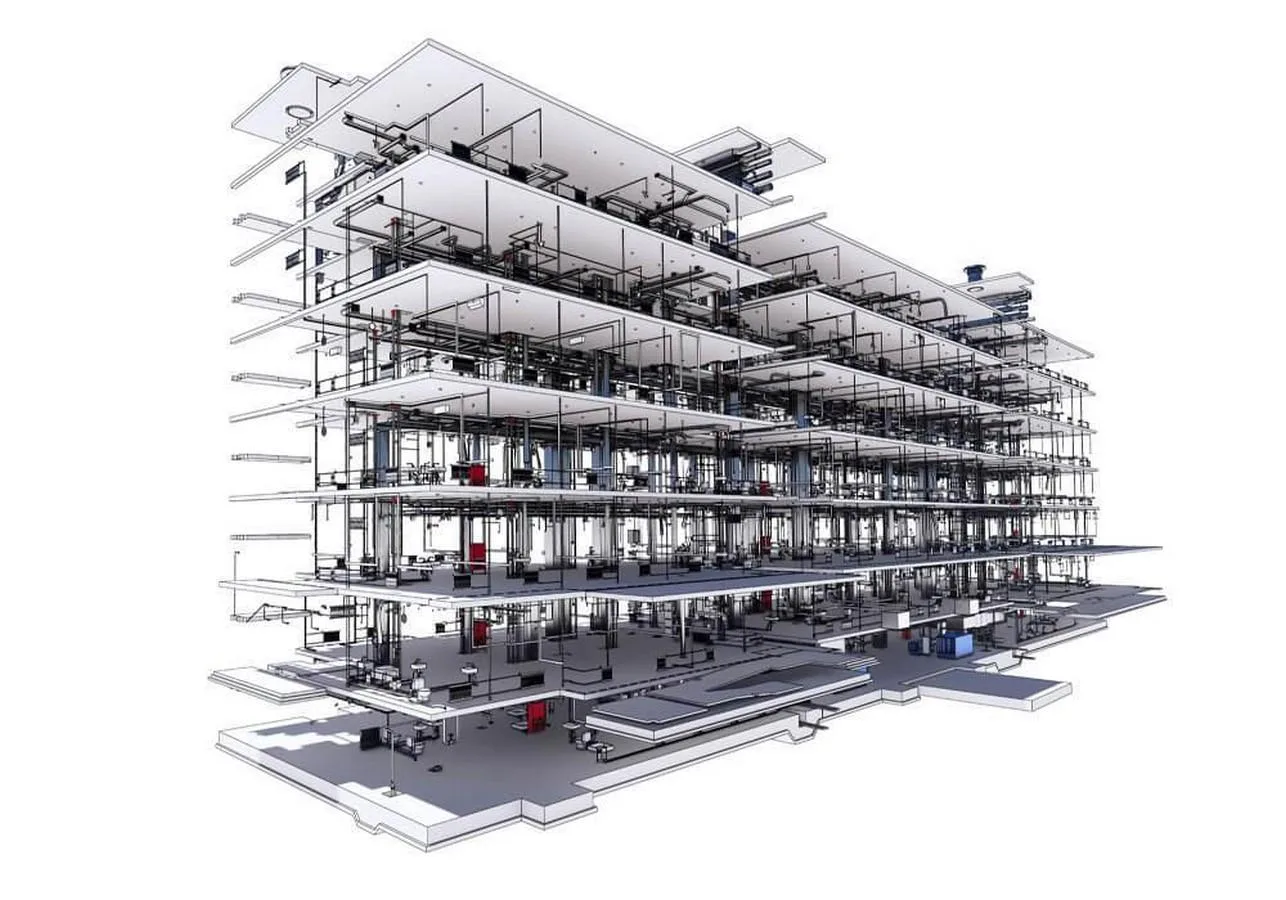
- Multi-discipline coordination in a single federated model (architectural, structural, MEP)
- Automated documentation with dynamic views, sheets, and schedules
- Autodesk AI Assistant for intelligent automation and querying
- Multi-rebar annotation for faster reinforcement detailing
- Cloud worksharing with Autodesk Docs for real-time team collaboration
- Integrated structural analysis and MEP systems design
- Rendering with cloud rendering and walkthrough visualization
- Parametric families for custom component creation
- Interference check and clash detection across disciplines
- IFC 4.3, DWG, DXF, and DGN import/export
- Phase mapping and design option management