
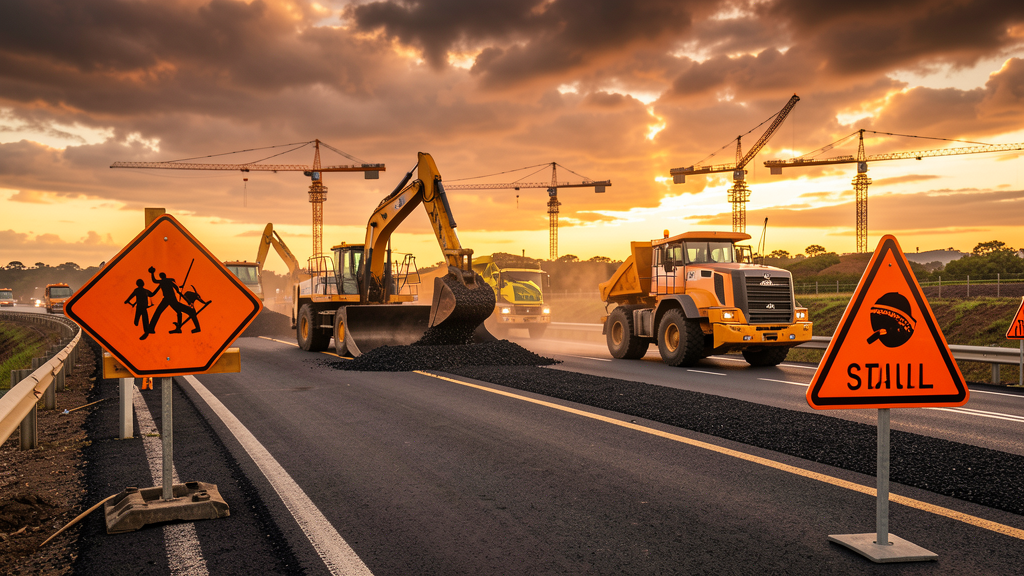
R$22 Billion Budget Freeze Threatens Highway Construction in Brazil
Federal government freezes spending and the infrastructure sector warns of the risk of work stoppages · 06/04/2026 · 7 MIN READ · CANAL VIP
What is the budget freeze?
In June 2026, the federal government announced an additional freeze of R$22.1 billion on the Union's discretionary spending, aiming to comply with the fiscal rules established by the fiscal framework. This contingency measure directly affects infrastructure investments, especially highway projects contracted by the National Department of Transport Infrastructure (DNIT).
For civil construction professionals — engineers, project managers and companies in the sector — this scenario represents a concrete threat to the continuity of contracts, to the flow of payments and to the very viability of ongoing projects.
Impact on highway construction
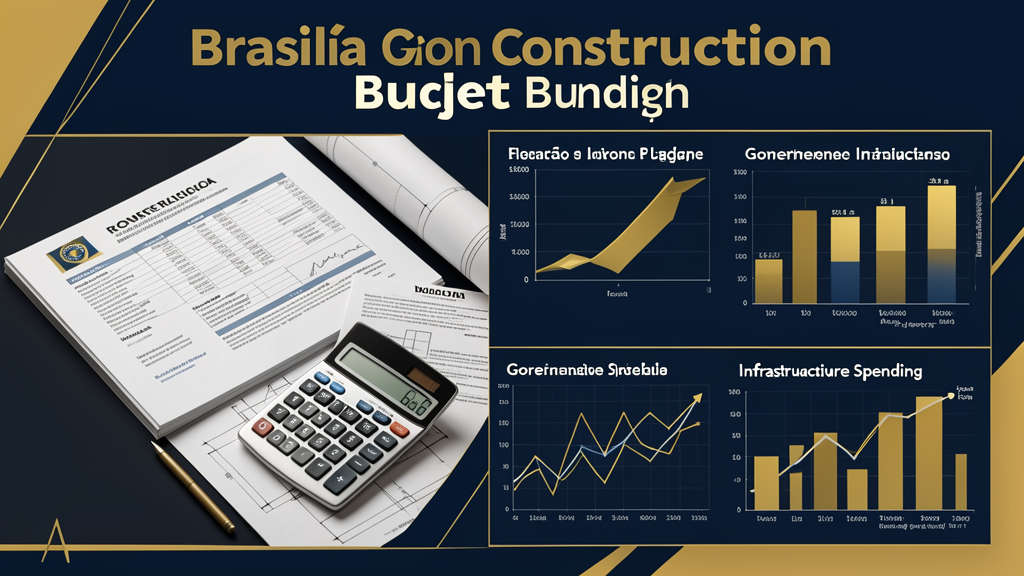
According to the National Association of Highway and Transport Infrastructure Construction Companies (Aneor), with support from the Brazilian Chamber of the Construction Industry (CBIC), the budget projected for the highway sector in 2026 was approximately R$12 billion — an amount already considered insufficient to meet the demands of ongoing projects.
- 2026 highway budget: about R$12 billion, considered insufficient by the sector
- Supplement under study: the Ministry of Transport was working on an addition of R$1 billion
- Estimated deficit: the sector calculates a need for an additional R$2 billion to ensure the execution of the planned projects
- Additional freeze: R$22.1 billion in discretionary spending cut by the government
The scenario is particularly worrying because there are contracts without budget commitment, which prevents the continuity of the services and puts thousands of jobs in the heavy infrastructure sector at risk.
Rising input costs worsen the scenario
Alongside the budget freeze, the sector faced a significant increase in highway construction costs, especially in petroleum-derived inputs — such as asphalt, bitumen and fuels. The gap between rising input costs and the contractual adjustment mechanisms aggravates the economic and financial imbalance of the projects.
What Aneor and CBIC are doing
Aneor stepped up its talks with the Ministry of Transport, DNIT, the Chief of Staff Office and other federal government bodies to discuss measures for the extraordinary recomposition of contracts. Among the proposals presented by the sector are:
- Revising the frequency of the asphalt adjustment mechanism — to more quickly track the variation in the costs of petroleum-derived inputs;
- Creating an objective methodology for analyzing contract rebalancing requests — speeding up decisions that today take months or years;
- Full release of the authorized budget — ensuring that the funds already approved by Congress actually reach the projects;
- Emergency budget supplement — to cover the gap between the available budget and the amount needed to maintain the pace of execution.
The president of Aneor, Danniel Zveiter, told Agência iNFRA: "It is unacceptable to discuss freezing funds when the sector is already struggling to maintain the current level of execution."
Consequences for engineers and companies
For engineering professionals and construction companies, the practical impacts of the budget freeze are significant:
- Halting of ongoing projects: contracts without budget commitment make it impossible to pay for services already performed;
- Job losses: civil construction had created 23,500 formal jobs in April 2026, but the slowdown could reverse this scenario;
- Contractual imbalance: rising costs without a corresponding adjustment compromise the economic sustainability of contracts;
- Reduction in private investment: budget uncertainty discourages new investments in infrastructure;
- Delays in strategic deliveries: highways essential for transporting agricultural production may face extended deadlines.
Frequently asked questions
What is a budget freeze?
A budget freeze is a mechanism through which the government temporarily prevents the execution of expenditures planned in the budget, usually to meet fiscal targets. In the case of 2026, the freeze reached R$22.1 billion in discretionary spending, including investments in highway infrastructure.
How much of the highway budget was frozen?
The highway budget projected for 2026 was about R$12 billion, an amount considered insufficient by the sector. The Ministry of Transport was working on a supplement of R$1 billion, but the sector estimates a need for an additional R$2 billion beyond that. The freeze of R$22.1 billion in discretionary spending further reduces the available funds.
How does the freeze affect engineers and construction companies?
Contracts without budget commitment make it impossible to continue the services. Companies may be forced to halt ongoing projects, jeopardizing jobs and the delivery schedule. In addition, the rise in petroleum-derived inputs aggravates the economic and financial imbalance of existing contracts.
Conclusion
The R$22.1 billion budget freeze represents a serious challenge for the Brazilian highway infrastructure sector. With an already insufficient budget, rising costs and contracts without commitment, Aneor and CBIC are pressing for recomposition measures and the full release of the authorized funds. For engineers, project managers and companies in the sector, it is essential to follow the negotiations and seek alternatives to maintain the viability of their projects.
⬇ Check out engineering software at CanalVIPRead also: Check out the entire CanalVIP software catalog · More articles on the blog