
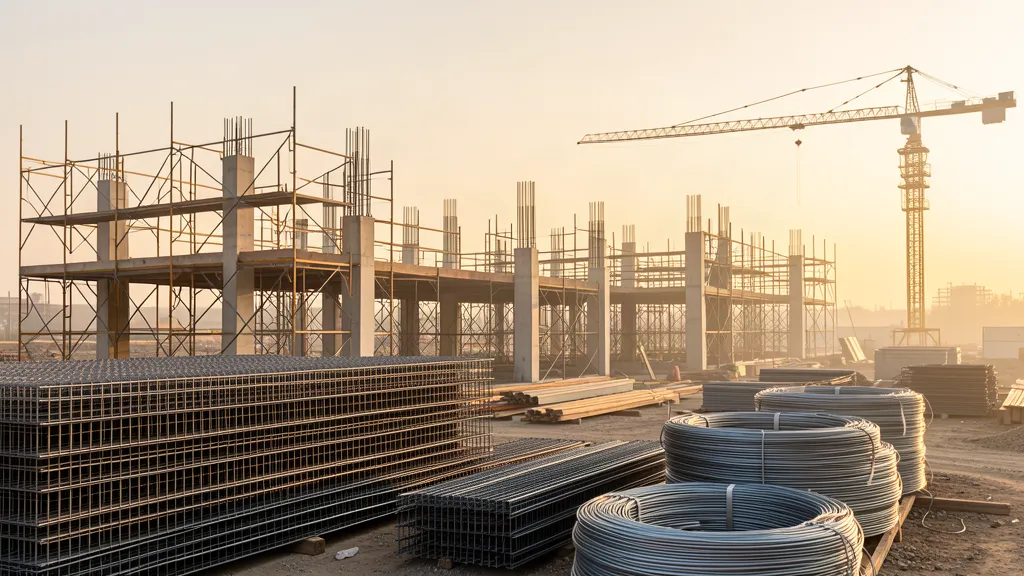
Brazilian civil construction will have higher costs with steel materials: GECEX Resolution No. 941/2026 increased import tariffs on seven products used on construction sites to 25%. The measure, published in the Official Gazette of the Union, is valid for one year and directly affects steel, mesh, formwork and shoring. Engineers and construction companies need to review budgets and plan purchases before the adjustment reaches the final price of inputs. Steel is one of the most important inputs in the cost sheet of any enterprise, and the increase comes at a time when the sector is still working with tight margins.
What changes with GECEX Resolution No. 941/2026
Published last Friday (24), the resolution amends Annex IX of GECEX Resolution No. 272/2021 and includes new products in the List of Tariff Increases for Reasons of Trade Imbalances. The legal basis is Mercosur CMC Decision No. 27/15, which authorizes exceptional measures given the international economic situation. The Import Tax rate is temporarily increased to 25%, with effect between July 27, 2026 and July 26, 2027.
The seven NCM codes achieved are items of intense use in construction:
- Zinc coated iron or steel wires (NCM 7217.20.90)
- Iron or steel wires with a carbon content equal to or greater than 0.6% (NCM 7217.30.10)
- Wires from other steel alloys (NCM 7229.90.00)
- Material for scaffolding, formwork and shoring (NCM 7308.40.00)
- Galvanized welded screens, grids and nets (NCM 7314.31.00 and 7314.41.00)
- Nails, tacks and pins of iron or steel (NCM 7317.00.90)
The choice of products is not random: they are all part of the basic supply chain for building and infrastructure works. Coated wires are used in moorings and temporary installations; galvanized mesh goes into subfloors, slabs and retaining walls; and scaffolding and shoring materials are essential in the construction of structures and facades. Those who import directly feel the impact immediately, but those who buy from distributors should also see transfers in the coming weeks, as older stocks are replaced.
Direct impact on the cost of works
Scaffolding, shoring and formwork appear in practically every stage of a project, from the foundation to the structure. Galvanized welded mesh is standard in subfloors, slabs and retaining walls. With the increase in the rate, importers pass on the extra cost to distributors and construction companies, putting pressure on the budget for works in progress and the proposals under negotiation.
For those working with a construction budget, the effect is twofold: the price of imported steel rises and the demand for national products increases, which tends to also increase local prices. The recommendation is to monitor material price indices and review cost sheets frequently in the coming months, especially in contracts with an adjustment clause based on input index. The percentage impact varies depending on the composition of each project, but items such as screens and shoring account for a relevant portion of the cost of structure and preliminary services.
How to prepare and protect your budget
Construction companies and engineering offices can reduce the impact with practical measures:
- Anticipate purchases of steel items expected to be consumed in the coming months
- Negotiate supply contracts with fixed prices before full tax pass-through
- Compare national suppliers, who can gain competitiveness with the highest tariff
- Review projects to optimize quantities of formwork, screens and supports
- Monitor the Official Gazette and new GECEX deliberations during the validity of the measure
Budgeting and planning software helps to simulate readjustment scenarios and maintain financial predictability. BIM tools also allow you to extract accurate quantities and reduce waste of metal inputs, offsetting part of the increased cost. In projects with a long schedule, it is also worth structuring purchase contracts with suppliers that guarantee price per volume, avoiding exposure to new fluctuations in the second half of the year.
Next Steps
The increase in import tariffs to 25% is valid until July 2027 and requires extra attention from those who buy steel, screens and forms. Reviewing budgets, anticipating purchases and comparing suppliers are the most effective actions to reduce the impact. Check it out on CanalVIP catalog the engineering and budgeting tools available to keep your projects on track.